The Best-Kept Secret in Medium Format Photography
If you shoot Fuji GFX and you’re not exploring adapted Pentax 67 glass, you’re leaving some of the best optics in medium format history sitting on the shelf. The Pentax 6×7 system produced some of the finest medium format lenses ever made — lenses that were designed to cover a 56×69.5mm negative. Mounting them on the GFX’s 43.8×32.9mm sensor means you’re shooting through the sweet spot of these optics every single time, and the results speak for themselves.
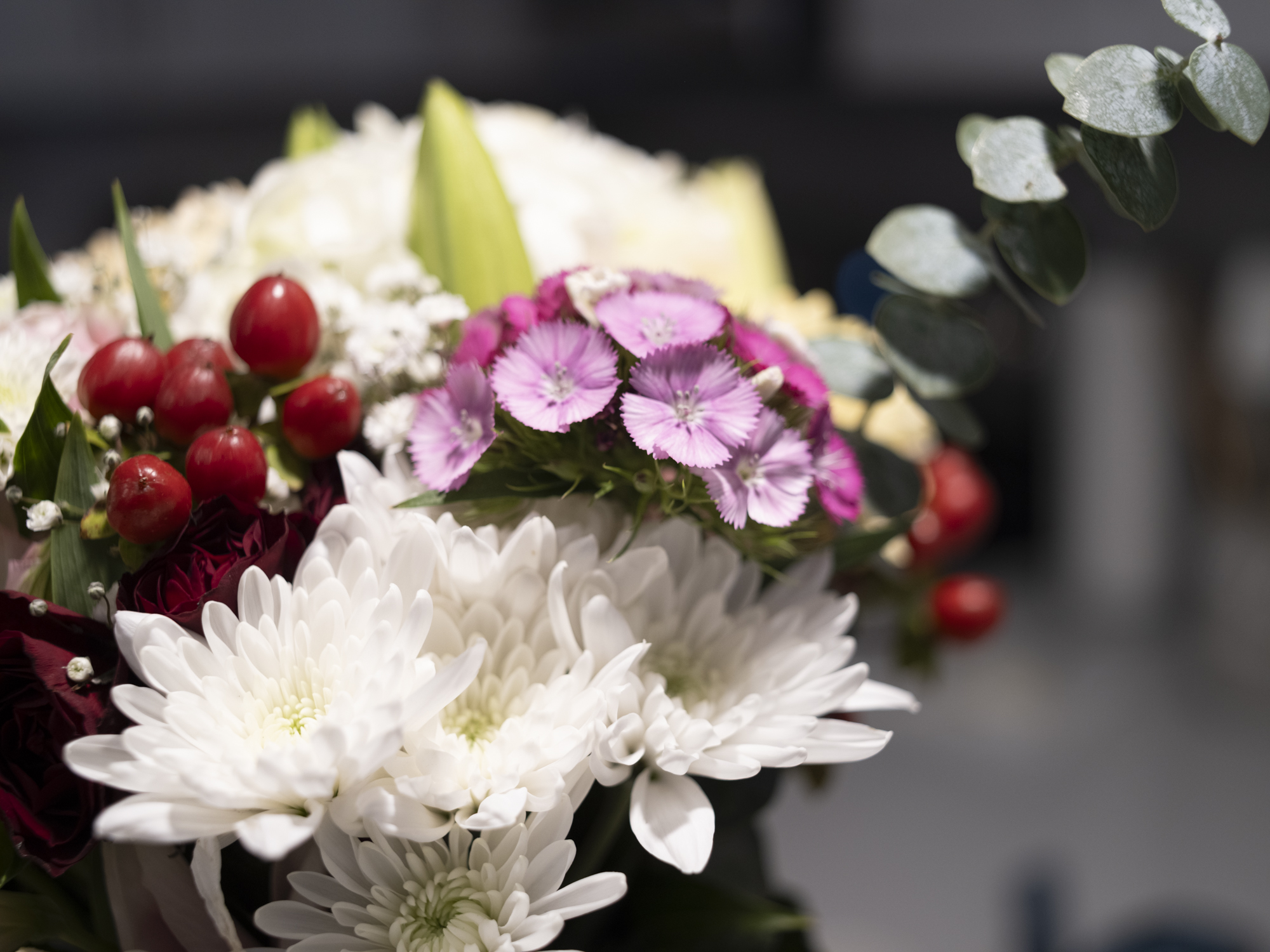
Test shot of some flowers with the Pentax 55mm f4 and GFX 100s
I’ve been running Pentax 67 lenses on my GFX 100s via a Kipon Pentax 67 to Fuji GFX adapter, and the image quality is outstanding. Here’s why this combination deserves your attention.
The Crop Factor Works in Your Favor
This is the key insight that makes the whole setup work so well. The Fuji GFX sensor is significantly smaller than the 6×7 negative the Pentax lenses were designed to cover. Rather than being a limitation, this is a massive advantage for image quality.
When a lens projects an image circle, the sharpest, most corrected area is always the center. The edges and corners are where aberrations — field curvature, astigmatism, coma, vignetting — tend to show up. By cropping into the center of the Pentax 67 image circle with the GFX sensor, you’re effectively eliminating corner softness as a concern entirely. Every image is a crop from the optical sweet spot.
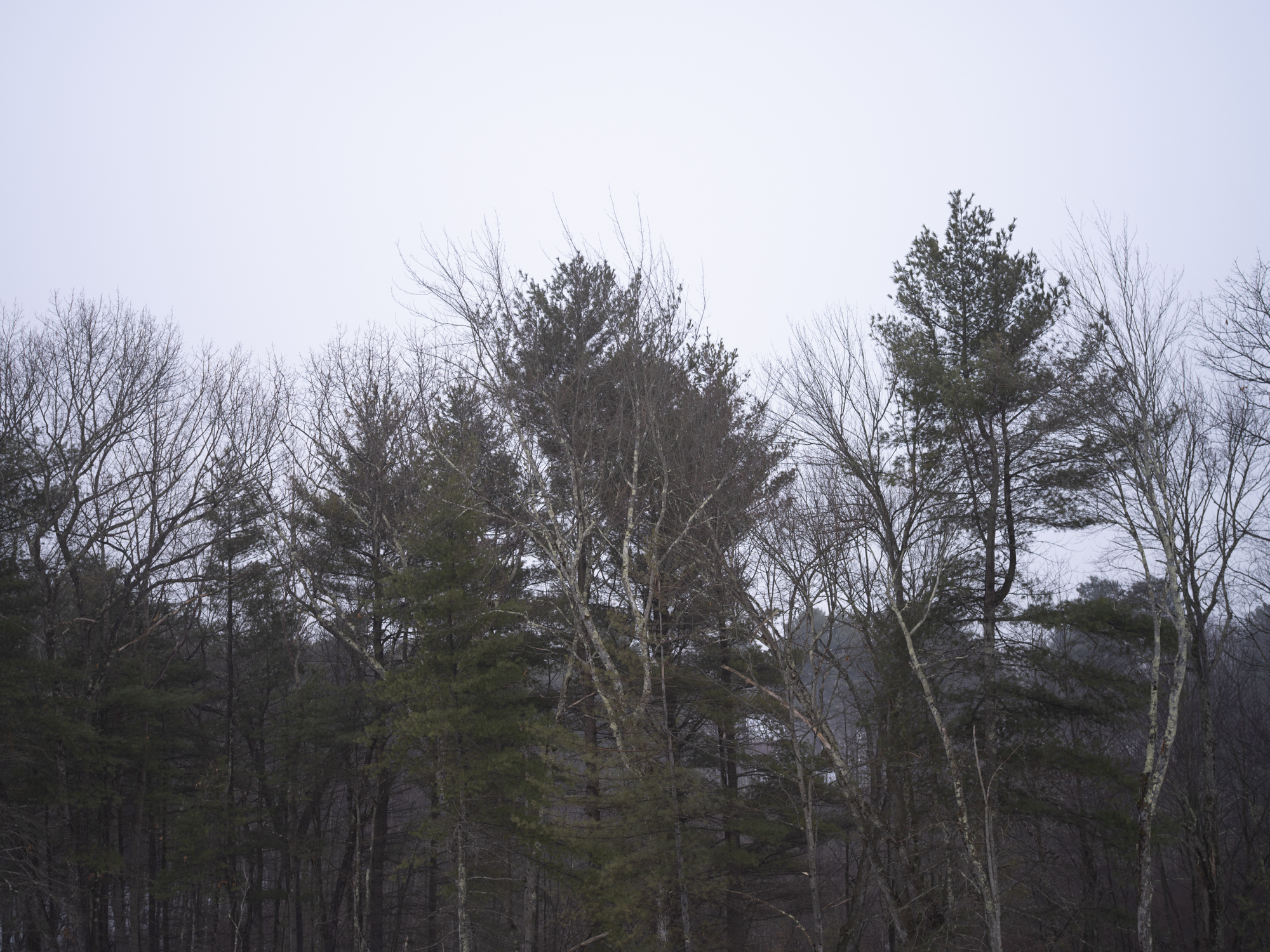
Above image shows lack of vignetting. Taken with the Pentax 55mm f4 on the GFX 100s.
The result is that even wide-open performance from vintage Pentax 67 lenses tends to look remarkably sharp across the entire GFX frame. Lenses that might show some corner weakness on their native 6×7 format become essentially flawless in terms of coverage on the smaller sensor.
The approximate crop factor is around 0.79x relative to the Pentax 67 frame, so a 55mm lens gives you a field of view roughly equivalent to 43mm in the 6×7 format — still solidly wide on the GFX, making it a versatile everyday focal length.
The Kipon Adapter: Simple and Effective
The Kipon Pentax 67 to Fuji GFX adapter is a straightforward, well-machined piece of hardware. There are no optical elements — it’s purely a mechanical spacer that sets the correct flange distance between the Pentax 67 mount and the GFX body. This means there’s nothing between your sensor and the lens to degrade image quality. What you get is the pure optical character of the Pentax glass delivered straight to that 102-megapixel sensor.
Build quality on the Kipon is solid. It mounts securely on both ends with no wobble, and the tolerances are tight enough that infinity focus is accurate. For an adapter that sits between two medium format systems, that precision matters.
The Pentax 67 55mm f/4: A Closer Look
The Pentax 67 SMC 55mm f/4 is one of the wider options in the 6×7 lineup, and it’s a lens that doesn’t get as much attention as the legendary 105mm f/2.4 or the 90mm f/2.8. That’s a shame, because it’s a genuinely excellent optic with some unique characteristics.
Sharpness
On the GFX 100s, this lens resolves an impressive amount of detail. Even at 102 megapixels, the 55mm f/4 holds up well. In the test image of a floral arrangement, the level of detail captured in the chrysanthemum petals is striking — you can see individual texture and fine structural detail in each petal, with clean separation between the layered blooms. The pink dianthus flowers behind them show crisp petal edges with well-defined serrated margins. Even the small hypericum berries maintain their specular highlights without excessive blooming.
Given that we’re only using the center portion of the lens’s image circle, this sharpness across the frame is expected — but it’s still satisfying to see a lens from this era hold its own against a modern high-resolution sensor. There’s no sense that you’re outresolving the optics, which is a testament to how well Pentax built these lenses.
Close Focus and Macro Capability
One of the more practical strengths of the 55mm f/4 is its close focusing ability. The lens focuses down to approximately 0.45 meters (about 1.5 feet), which is impressively close for a wide-angle medium format lens. On the GFX, with the crop factor working in your favor, you can get surprisingly tight framing on small subjects.
The test image demonstrates this nicely. Shot at close range into a mixed floral bouquet, the lens delivers a shallow depth of field with a smooth, gradual transition from sharp to soft. The foreground chrysanthemums are rendered with excellent detail, while the background flowers and eucalyptus leaves dissolve into a pleasing, neutral-toned bokeh. There’s no harshness to the out-of-focus areas — the transitions are gentle and organic, which is a hallmark of well-corrected medium format glass.
This close-focus capability makes the 55mm f/4 surprisingly versatile. It’s wide enough for environmental shots, but you can also move in close for detail work, still life, and — as shown here — floral photography with real subject isolation despite being an f/4 lens.
Bokeh and Rendering Character
The rendering from this lens has a distinctly analog quality that’s hard to replicate with modern autofocus lenses. There’s a three-dimensionality to the images — a sense of depth separation between the subject and background that goes beyond what you’d expect from the f-stop alone. The larger image circle of the Pentax 67 optics, even cropped, seems to contribute to a rendering character that feels different from native GFX lenses.
In the floral test shot, notice how the background goes from detailed to completely smooth over a very short distance. The deep red roses behind the main subject are still recognizable in shape but softened beautifully, while the gray background beyond them is rendered as a clean, even wash. This is the kind of bokeh behavior that medium format shooters seek out, and the 55mm f/4 delivers it naturally. The test shot above was taken at minimum focus distance.
The image below was taken with the Pentax SMC 105mm f2.4. While it doesn’t have the close minimum focus of the 55mm f4, it’s an amazing portrait lens. Backgrounds just melt away, and the transition is nothing less than beautiful.
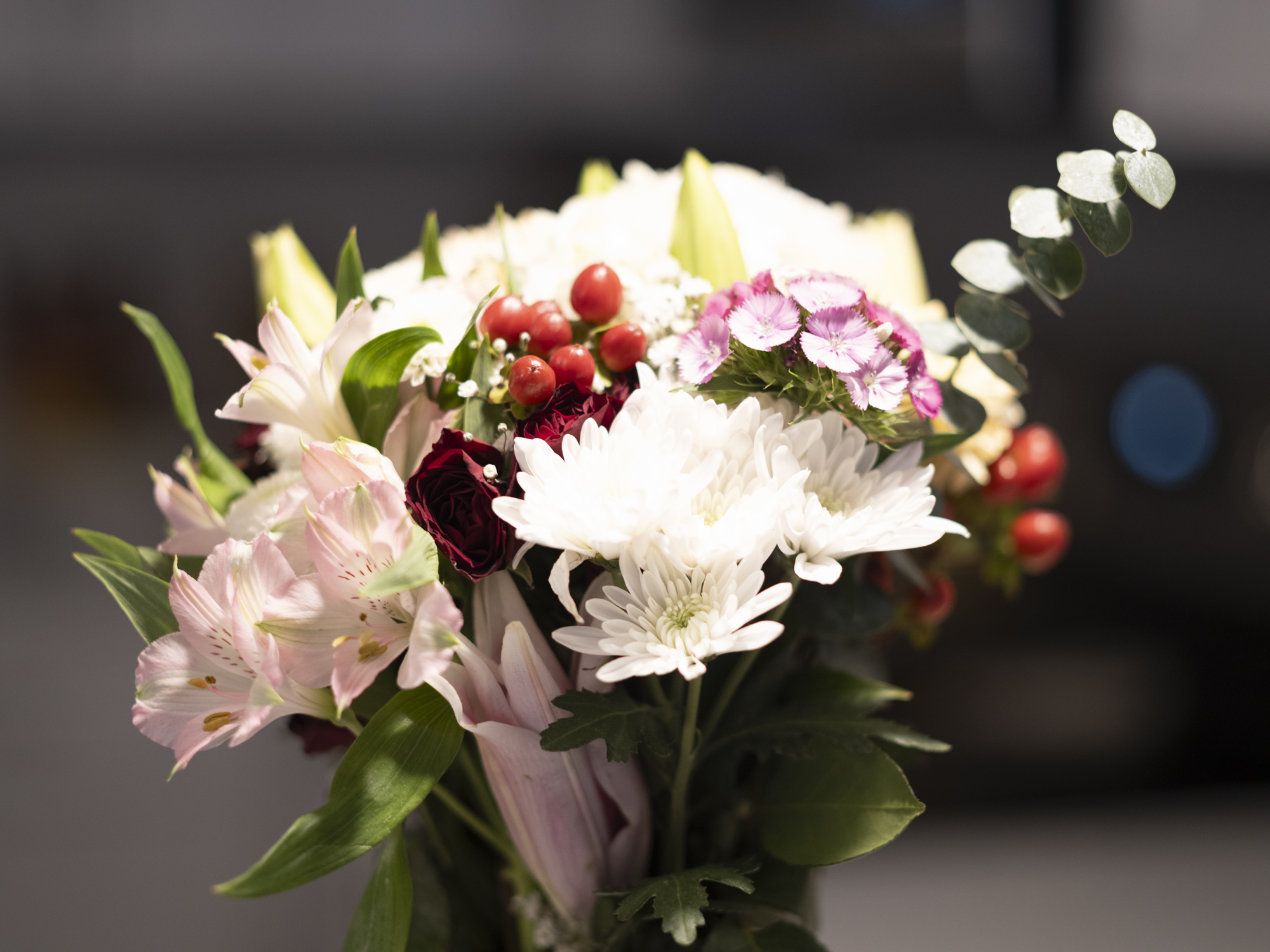
Pentax SMC 105mm f2.4 with Kipon adapter on GFX 100s
Why Pentax 67 Glass on GFX Makes So Much Sense
Beyond the optical quality, there’s a compelling practical and financial argument for this approach.
Pentax 67 lenses remain relatively affordable compared to native Fuji GFX glass. A clean copy of the 55mm f/4 can often be found for a fraction of what a native GFX wide-angle costs. Pair it with a Kipon adapter in the $100-150 range, and you have access to exceptional optics at a very reasonable price point.
The full Pentax 67 lens lineup — from the 45mm through the 300mm and beyond — is available to you with a single adapter. That’s an entire system of high-quality medium format glass, much of it with the legendary SMC multi-coating that Pentax was known for, all compatible with your GFX body.
Yes, you lose autofocus. But if you’re shooting with a GFX, chances are you’re already comfortable working at a more deliberate pace. Manual focus on the GFX 100s is well-supported with focus peaking and magnification, and the EVF makes precise focusing straightforward. For subjects like still life, landscape, and studio portraits, manual focus is no real compromise.
Final Thoughts
The Pentax 67 to Fuji GFX combination via the Kipon adapter is one of the most rewarding ways to shoot medium format today. You get access to some of the best lenses ever made for the format, with the inherent advantage of the smaller GFX sensor ensuring you’re always working with the sharpest part of the image circle.
The 55mm f/4 is just one example, but it’s a compelling one — sharp, close-focusing, with beautiful rendering character that brings something different to GFX files. If you already own Pentax 67 glass, the Kipon adapter is an easy recommendation. And if you don’t, this might be the excuse you need to start exploring one of the greatest medium format lens systems ever produced.
Test images shot on the Fuji GFX 100s with Pentax 67 SMC 55mm f/4 via Kipon adapter. Images resized to 2000px on the long edge for web display.
I recently took a trip to the lake to test out the Pentax 105mm Takumar on the GFX 100s. Check out that article here: Pentax 105mm f2.4 Takumar for Landscapes
Purchasing gear from the above link helps me keep the site going!