Category: Tutorials
 Rodinal For Medium Format Development
There are developers that photographers use, and then there are developers that photographers believe in. Rodinal, or Adonal as it’s sometimes branded, belongs in the second category. It is one of the oldest photographic chemicals still in active production — a concentrate so simple, so stable, and so opinionated in its results that it has...
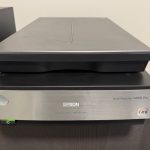 Epson V850 Pro Scanner For Medium Format Scanning
The Complete Guide to Scanning Medium Format 120 Film The Epson Perfection V850 Pro is widely regarded as the gold standard among flatbed film scanners for serious photographers. While drum scanners and dedicated film scanners like the Hasselblad Flextight exist at higher price points, the V850 occupies a sweet spot where exceptional quality meets practical...
 Ilford HP5 Plus — History and Developing Tips
If there’s one black and white film stock that has earned its place in nearly every film photographer’s bag, it’s Ilford HP5 Plus. It’s not the sharpest. It’s not the finest grained. It’s not even the most visually striking at box speed. But HP5 is the film you reach for when you need to get...
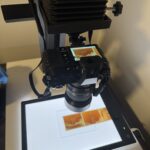 Flatbed Scanner vs. Camera Scanning: Which Is Better for Medium Format Film?
If you shoot medium format film, you’ve probably wrestled with this question: should you scan your negatives with a flatbed scanner or use a digital camera? I’ve been going back and forth on this for a while now, so I decided to put my Epson V850 head-to-head against my Fuji GFX 100s in a real-world...
 Film Developing on a Budget – How to Save Real Money Without Cutting Corners
One of the most common questions I get from people getting into medium format film photography is some version of “how do I keep the costs down?” It’s a fair question. Between the camera, the film, and getting everything developed and scanned, the per-frame cost of shooting 120 film can add up quickly — especially...
 Developing Color Film at Room Temperature
If you have ever talked yourself out of developing color film at home, the reason was almost certainly temperature. The standard C-41 process calls for developer at 102°F, held within a degree or two for the duration of the development step. That requirement sends people shopping for sous vide machines, foot spas, immersion circulators, and...
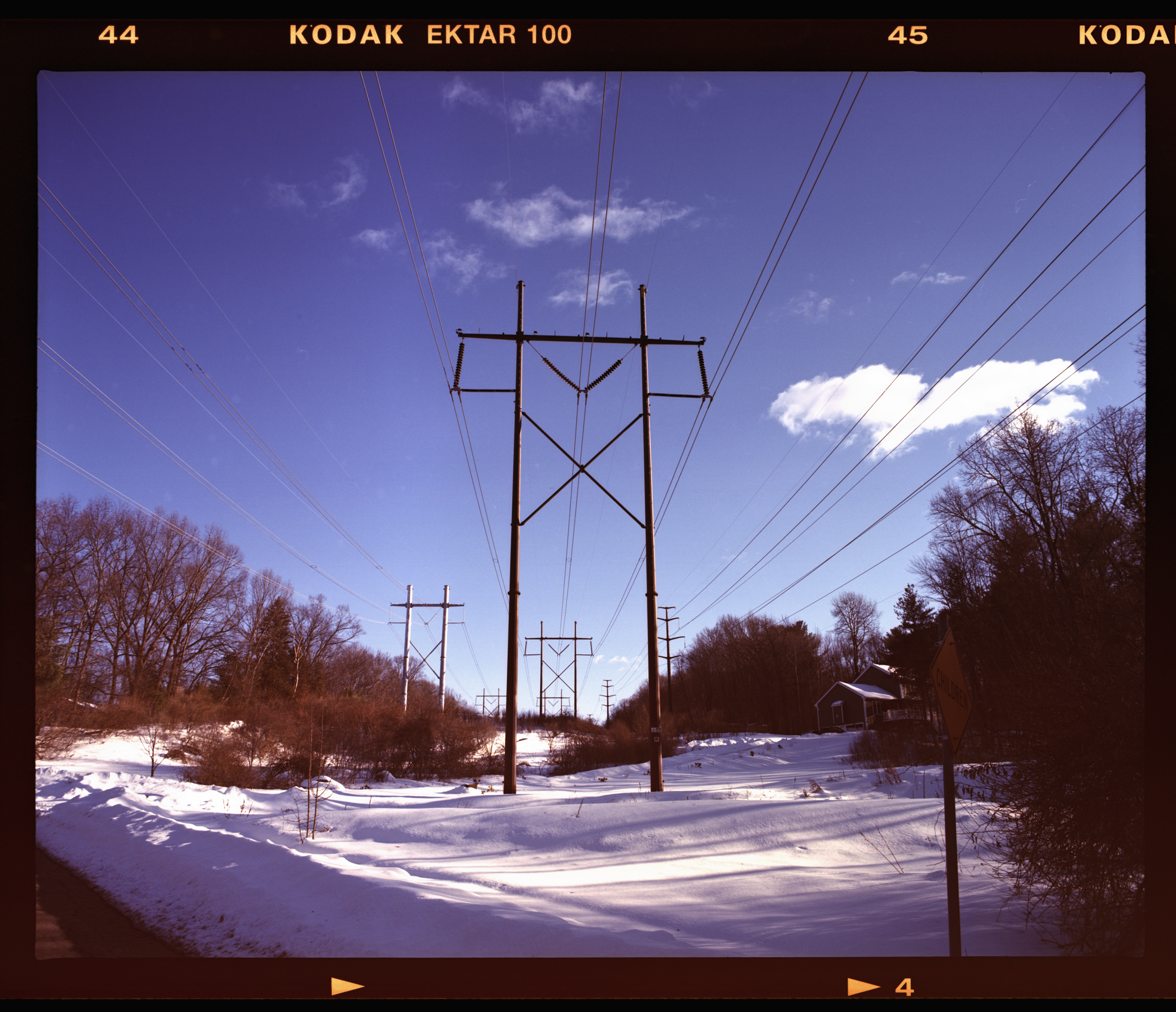 Hard Water Spots on Film Negatives: Causes, Prevention, and Fixes
Hard Water Spots on Film Negatives: Causes, Prevention, and Fixes Few things are more deflating than pulling a freshly developed roll of 120 film from the drying line and discovering a constellation of white spots and mineral deposits scattered across your negatives. You nailed the exposure. You got the development right. And now there are...
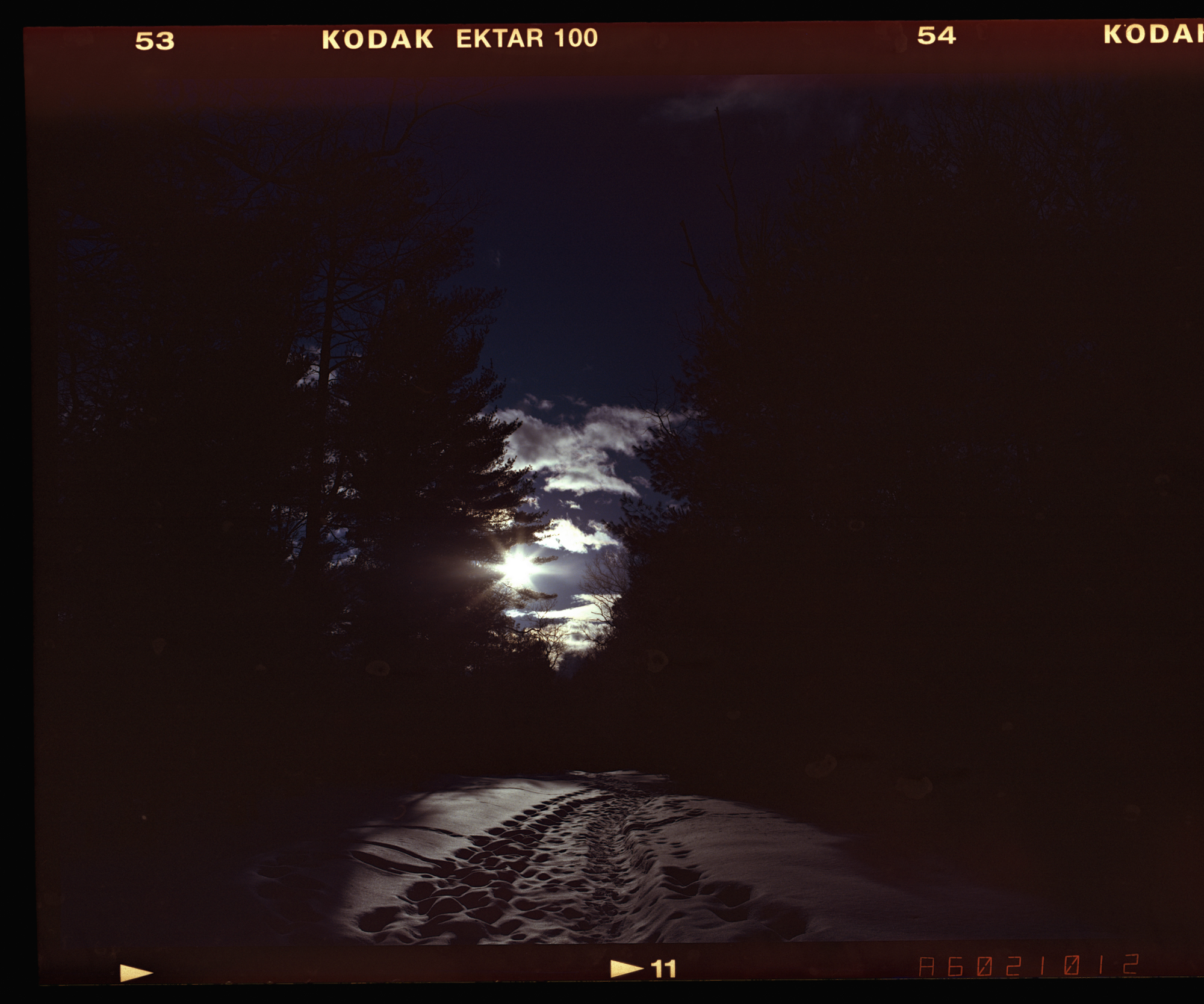 Dynamic Range Of Film Scanning
Your film is holding more information than you think. If your scanned negatives look flat, lack shadow detail, or feel like they can’t compete with digital captures, the problem almost certainly isn’t the film — it’s the digitization process. A well-exposed color negative on modern film stock can record 12 to 14 stops of scene...
 Film Developing Issues
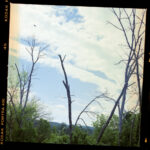
The image below demonstrates several problems that can occur during home development. Dust, fibers, and processing errors are all common hazards. This test shot shows what happens when chemistry goes wrong. There’s also a fiber visible near the center—a reminder that medium format’s larger negatives attract and display more debris. The rest of the roll...
 Setting up the GFX 100s
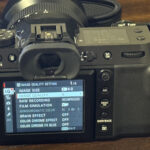
Search GFX Cameras at KEH.com Making the jump to the GFX 100S is exciting—and if you’re coming from Canon, Nikon, or Sony, potentially disorienting. Fujifilm has its own control philosophy, menu structure, and terminology that can feel foreign at first. This guide will walk you through the camera’s key settings, explain how it differs from...
 How Film Is Made
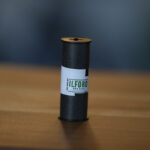
How 120 Camera Film Is Made: Inside the Craft of Medium Format Photography In a world increasingly dominated by digital photography, medium format film—especially 120 film—retains a loyal following among enthusiasts, professionals, and artists who appreciate its fine detail, wide dynamic range, and immersive aesthetic. But have you ever wondered how this iconic format is...
 The Brenizer Method – Bokeh Panoramas
Here’s an image of me taken by my wife. If you don’t have a medium format camera, or large format 8×10, you can still create images that don’t look like they were shot on smaller formats. In fact, I doubt this image could have even been created on 8×10 and would have actually needed a...
- Developing Color Film at Home
I’m currently using the CineStill kit below to develop color medium format film. This kit is easy to use and fairly inexpensive, around $30 and will develop about 8 roles of 120 film. Your results may vary. Temperature is more important when developing color film, lower temps will require increased development times. The instructions are...