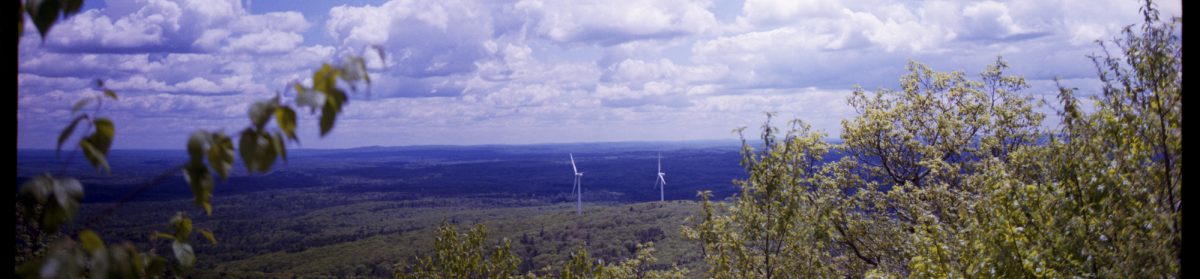
Kodak Ektar 100 holds a unique position in the medium format world. Marketed by Kodak as the finest grain color negative film ever made, it delivers a look that no other C-41 emulsion can quite replicate — hyper-saturated colors, razor-sharp detail, and an almost transparency-like rendering that sets it apart from the Portra family and everything else on the market. But Ektar is also a film with strong opinions, and if you don’t work with those opinions rather than against them, you may find yourself frustrated.
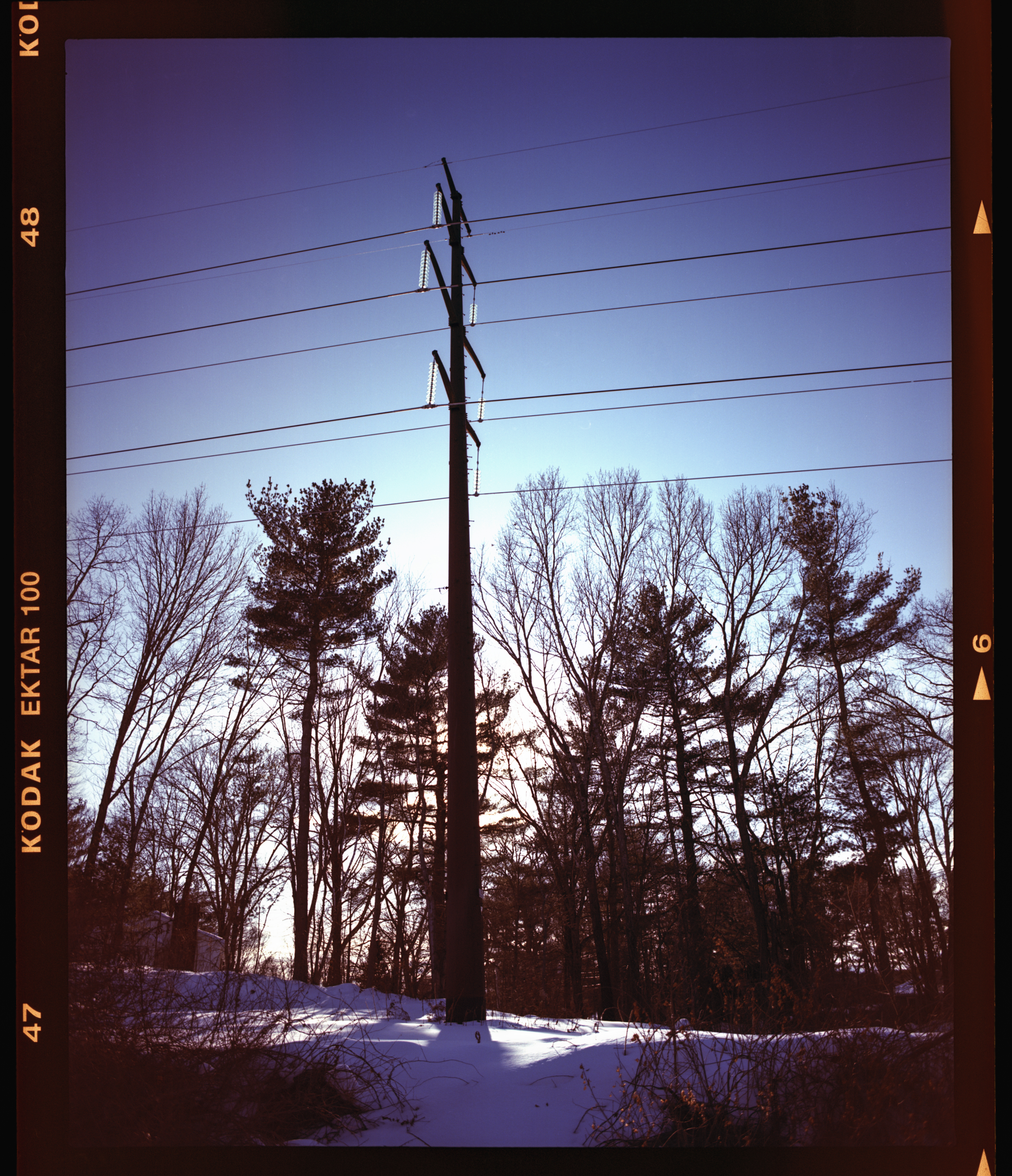
This is one of my shots from the Pentax 67 when it was missing its film door seal. Consequently, many of the images have light leaks.
After shooting and developing many rolls of Ektar in 120 through several of my medium format cameras, I want to share what this film does best, where it struggles, and address something I’ve noticed in the darkroom that doesn’t get talked about enough — its unusually thin film base and what that means for handling and processing.
What Ektar 100 Is Famous For
Ektar’s reputation rests on a few pillars, and it earns every one of them.
Color saturation that borders on surreal. Ektar renders reds, blues, and greens with an intensity that can make Portra look muted by comparison. Autumn foliage, painted buildings, vintage cars, wildflowers — anything with bold, punchy color becomes almost three-dimensional on Ektar. It doesn’t just record color; it amplifies it. If Portra is the diplomat of color negative films, Ektar is the one who walks into the room and makes sure everyone notices.
Grain so fine it nearly disappears. At ISO 100, Ektar’s grain structure in medium format is essentially invisible. Shooting it in 6×7 on the Pentax 67 or 6×6 on the Hasselblad 500cm, you can make extremely large prints with no visible grain whatsoever. This is a film that rewards the resolving power of quality medium format glass. If you’ve invested in sharp lenses, Ektar will show you exactly what they can do.
Exceptional sharpness and micro-contrast. Beyond just fine grain, Ektar has a clarity and edge definition that gives images a snappy, high-definition quality. This is partly due to the thin emulsion layers and the T-grain technology Kodak employs. Detail in textures — brick, stone, wood grain, fabric — renders with impressive fidelity.
Scanning beautifully. Ektar’s strong color profile and fine grain make it one of the easier color negative films to get great results from on a flatbed or dedicated film scanner. The dense, saturated color information gives scanning software plenty to work with, and the lack of grain means you’re scanning actual image detail rather than film texture.
Where Ektar Truly Excels
Ektar is at its absolute best when you point it at the natural world and at subjects with bold, graphic color. Landscapes are the obvious choice, and for good reason — the combination of fine grain, vivid saturation, and ISO 100 (which pushes you toward a tripod and careful composition anyway) makes it a landscape photographer’s dream in medium format. Clear blue skies go deep and saturated. Autumn leaves practically glow. Ocean water takes on rich teals and deep blues that feel true to the moment, maybe even better.
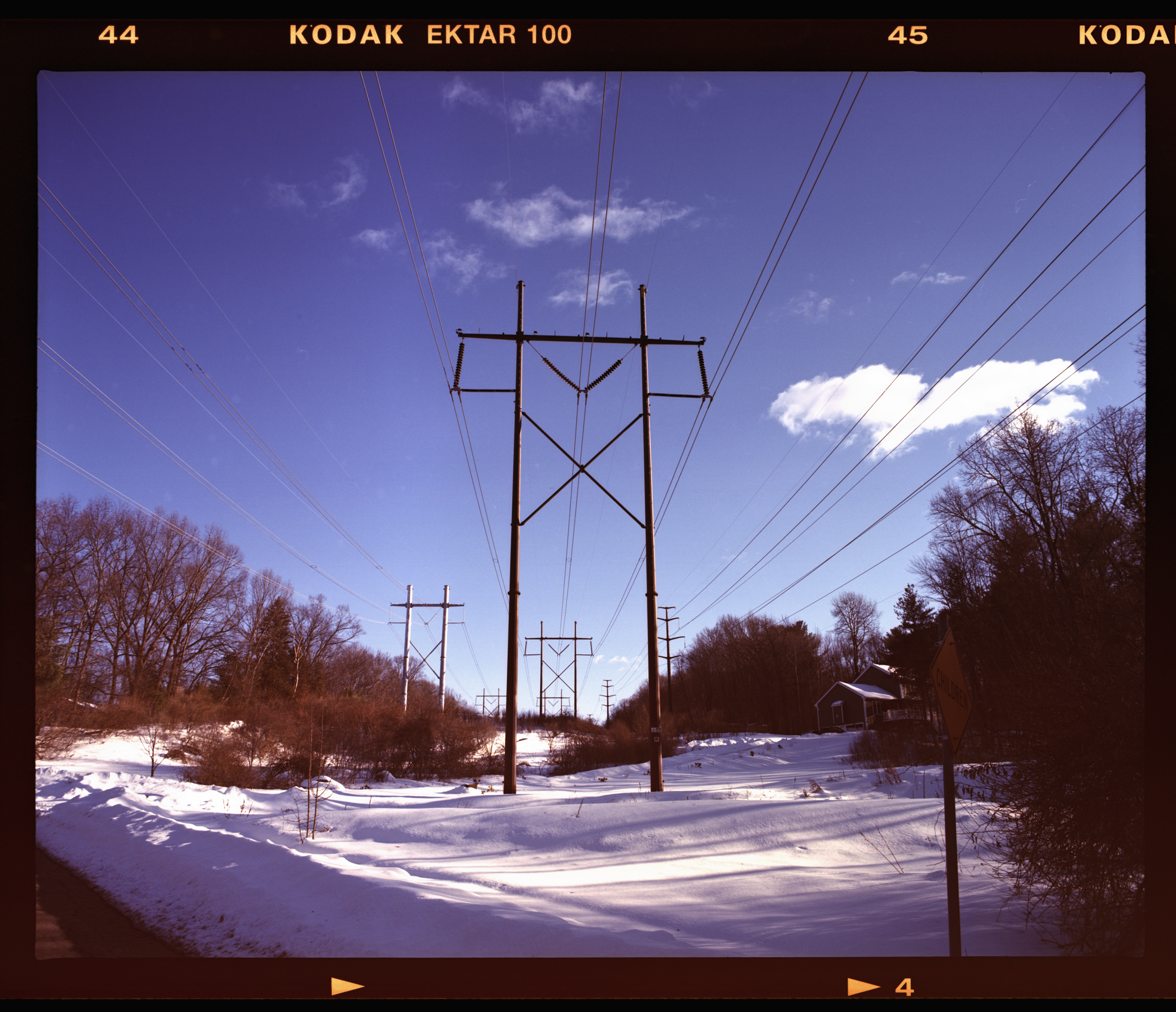
It’s also exceptional for architectural photography, product work, and anything with strong graphic elements. Street scenes with colorful signage, painted storefronts, vintage neon — Ektar turns these into images that feel like they belong in a coffee table book.
Travel photography is another strong suit, particularly in locations with vivid color — Mediterranean villages, Caribbean coastlines, Asian markets. The film brings a richness to these environments that matches the way our memory tends to enhance the colors of places we’ve visited.
The Downsides of Ektar
Ektar is not a do-everything film, and understanding its limitations will save you wasted rolls and frustration.
Skin tones are Ektar’s Achilles heel. This is the most commonly cited complaint, and it’s legitimate. Ektar’s aggressive saturation and its particular color palette can render skin tones with an unflattering reddish or orangeish cast. Caucasian skin can look sunburned; warm skin tones can shift toward an almost ruddy appearance. This doesn’t mean you can never photograph people on Ektar, but it does mean you need to be deliberate about your exposure (slight overexposure helps) and be prepared to do some color correction in post. If portrait work is your primary goal, Portra 160 or 400 will treat you far better.
Very limited exposure latitude compared to Portra. Ektar does not forgive sloppy metering the way Portra does. Portra 400, for instance, can handle two or three stops of overexposure and still deliver usable, even beautiful results. Ektar is much less forgiving. Underexposure quickly produces muddy shadows with color shifts, and significant overexposure can push the already intense saturation into garish territory. You need to meter carefully and expose accurately. A handheld spot meter is your friend when shooting Ektar.
It can look “too much” in certain light. In flat, overcast conditions, Ektar can actually produce quite pleasing, more subdued results. But in harsh midday light with strong primary colors, the saturation can tip over into looking almost artificial or digital. Knowing when the light and subject will work with Ektar’s character — and when to reach for a different stock — is part of learning the film.
ISO 100 demands light or stability. This isn’t unique to Ektar, but it bears mentioning. In medium format, where maximum apertures tend to be more modest than 35mm lenses, ISO 100 means you’ll be on a tripod or shooting in bright conditions. Handheld shooting in open shade or on overcast days can get tricky, particularly with the Pentax 67’s mirror slap or when stopping down for depth of field.
The Thin Base Issue: What Nobody Talks About
Here’s something I noticed early on with Ektar 120 that I don’t see discussed much in reviews or online forums: the film base is noticeably thinner than other 120 stocks I regularly shoot, including Portra 160, Portra 400, and even Fuji Pro 400H back when it was available.
You feel it immediately when you unroll a processed strip. Ektar has a flimsier, less substantial feel in your hands compared to a roll of Portra or Kodak Gold 200. It curls more aggressively and feels like it wants to fold on itself.
Loading into a Jobo reel is genuinely harder. If you develop your own C-41 at home using a Jobo processor or any rotary system with standard reels, you’ve probably noticed this. The thinner base doesn’t have the rigidity to guide itself smoothly into the reel’s spiral grooves. It buckles and kinks where a thicker-based film like Portra would glide in without issue. This isn’t a deal-breaker, but it means you need to be more patient and more careful during loading — especially if you’re working in a changing bag where you can’t see what you’re doing. I’ve had rolls bind up or overlap on the reel in ways that caused uneven development, and it’s almost always Ektar that gives me trouble.
Does the thin base cause light leaks? This is something I’ve wondered about, and the short answer is: it shouldn’t, but it might contribute to light piping under certain conditions. True light leaks are caused by gaps in the camera body, a loose-fitting back, or damaged light seals — not by film thickness. However, thinner film bases can be slightly more susceptible to light piping, which is when light enters the roll from the edges and travels along the film base itself, showing up as a reddish or orange fog along the edges of your frames. This is more of a concern if you load or unload film in bright light, or if the roll sits in a camera back that isn’t perfectly light-tight for extended periods.
In practice, I haven’t experienced more light leaks with Ektar than with other stocks, but I am more careful about loading and unloading it in subdued light, and I don’t leave a partially shot roll sitting in a camera for weeks.
Curl and handling in the darkroom. Beyond reel loading, the thinner base means Ektar 120 curls more tightly after drying. This can make cutting negatives and sleeving them more annoying, and it can affect contact printing or scanning if the negatives don’t lay flat. I’ve found that hanging the negatives with slightly heavier clips during drying helps, and storing them in proper archival sleeves under a flat weight for a day or two before scanning makes a real difference.
Is it more fragile? Marginally. Thinner base stock is somewhat more prone to kinking or creasing if you handle it roughly. It’s not so thin that it tears, but a sharp kink that might only leave a faint mark on Portra can produce a visible crease on Ektar. Handle with a bit of extra care during loading, processing, and sleeving.
Practical Tips for Getting the Most Out of Ektar 120
Overexpose by half a stop to a full stop. This is the single best piece of advice for Ektar. Rate it at 64 or 80 instead of 100. The slight overexposure opens up shadow detail, reduces the risk of muddy dark areas, and actually tames the saturation just slightly into a more pleasing range. Your highlights will handle it fine.
Meter for the shadows. Related to the above — Ektar doesn’t have the shadow latitude of Portra. Make sure your shadows have enough exposure to hold detail and color.
Use it in golden hour and blue hour. Ektar’s saturation paired with the warm tones of early morning or late afternoon light produces results that are genuinely stunning. This is when the film’s character goes from “bold” to “magical.”
Save Ektar for the right subjects. Don’t try to make it your all-purpose stock. Use Portra for portraits and mixed shooting. Save Ektar for landscapes, architecture, travel scenes with vivid color, and any subject where you want maximum color impact with minimal grain.
Final Thought
Kodak Ektar 100 in 120 is a specialist’s film — and I mean that as a compliment. It does certain things better than any other color negative film on the market, and when you match it to the right subject, the right light, and careful exposure, the results justify every bit of its reputation. The thin base is a legitimate handling consideration, particularly if you’re processing at home, but it’s manageable with a little extra care.
If you shoot medium format and you haven’t tried Ektar, you owe it to yourself to run a few rolls through your favorite camera. Just point it at something colorful, meter carefully, and prepare to be impressed.
Purchasing gear from the above link helps me keep the site going!