Month: February 2026
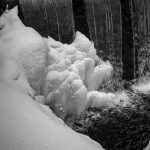 Pentax 55mm f4 Organic Quality on GFX 100s
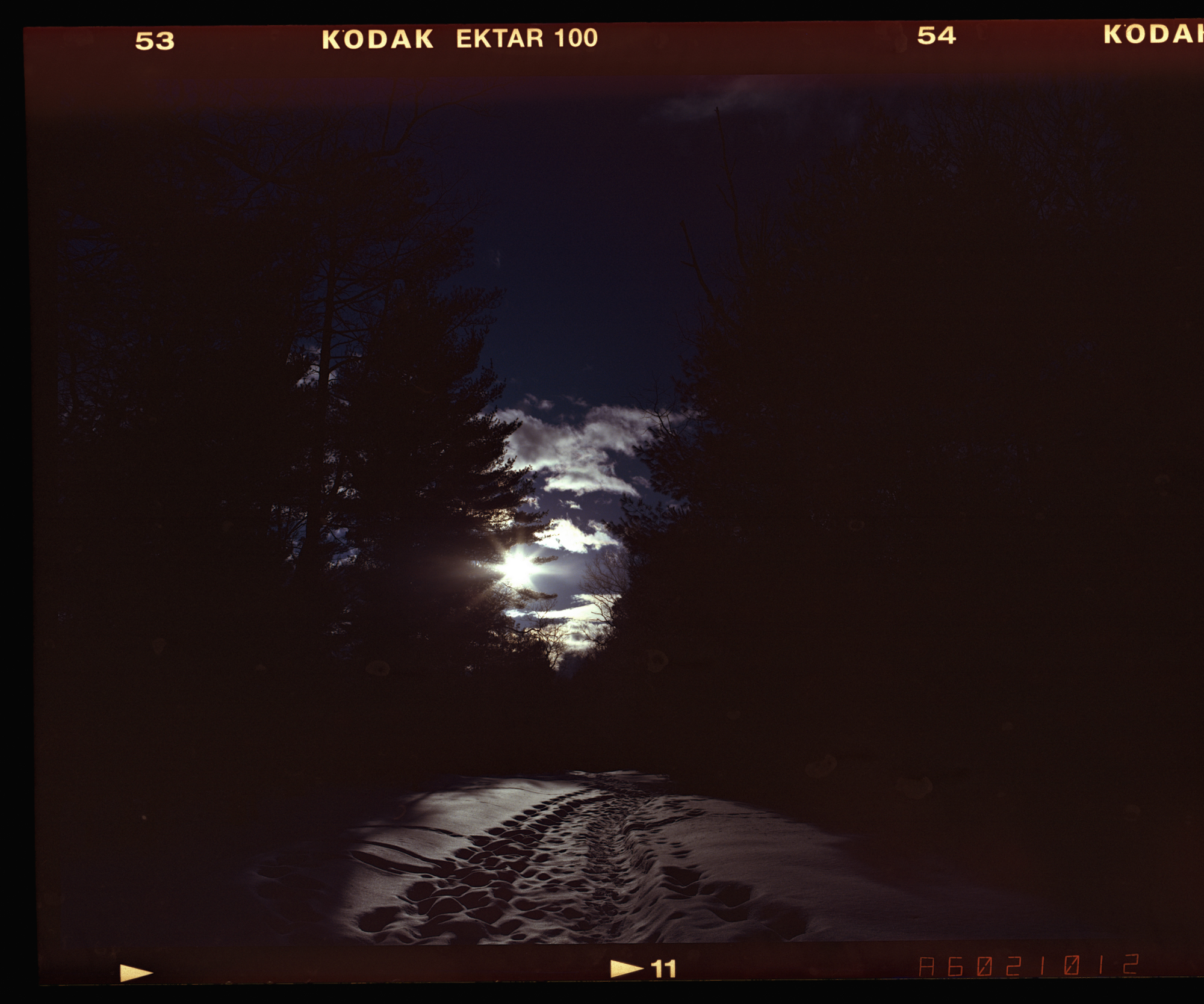
Today I took a hike with the 55mm f4 adapted to the GFX 100s. I continue to be pleasantly surprised by this lens. There’s a certain organic quality to the images. It resolves detail exceptionally well without feeling clinical. The above image was shot at 120/sec, iso 100, @f8. My review of this lens can...
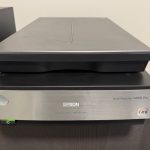 Epson V850 Pro Scanner For Medium Format Scanning
The Complete Guide to Scanning Medium Format 120 Film The Epson Perfection V850 Pro is widely regarded as the gold standard among flatbed film scanners for serious photographers. While drum scanners and dedicated film scanners like the Hasselblad Flextight exist at higher price points, the V850 occupies a sweet spot where exceptional quality meets practical...
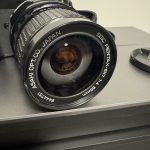 Pentax 67 SMC 55mm f/4 – Review & Sample Images
A Wide-Angle Legend That Refuses to Retire Three optical redesigns, four decades of service, and a second life on digital medium format — the Pentax 67 55mm f/4 might be the most underappreciated wide-angle in the entire 6×7 system. Above image taken with the Pentax SMC 55mm f4 and Kodak Gold 200 A Lens Born...
 Wet Mounting Issues with Medium Format
The Case Against Wet Scanning: Why Mounting Fluid Might Not Be Worth the Trouble After years of experimenting with wet-mount scanning, I’ve come to a conclusion that might be controversial in film photography circles: for most of us, anti-Newton ring glass is the better path. Here’s why. The Promise of Wet Scanning If you’ve spent...
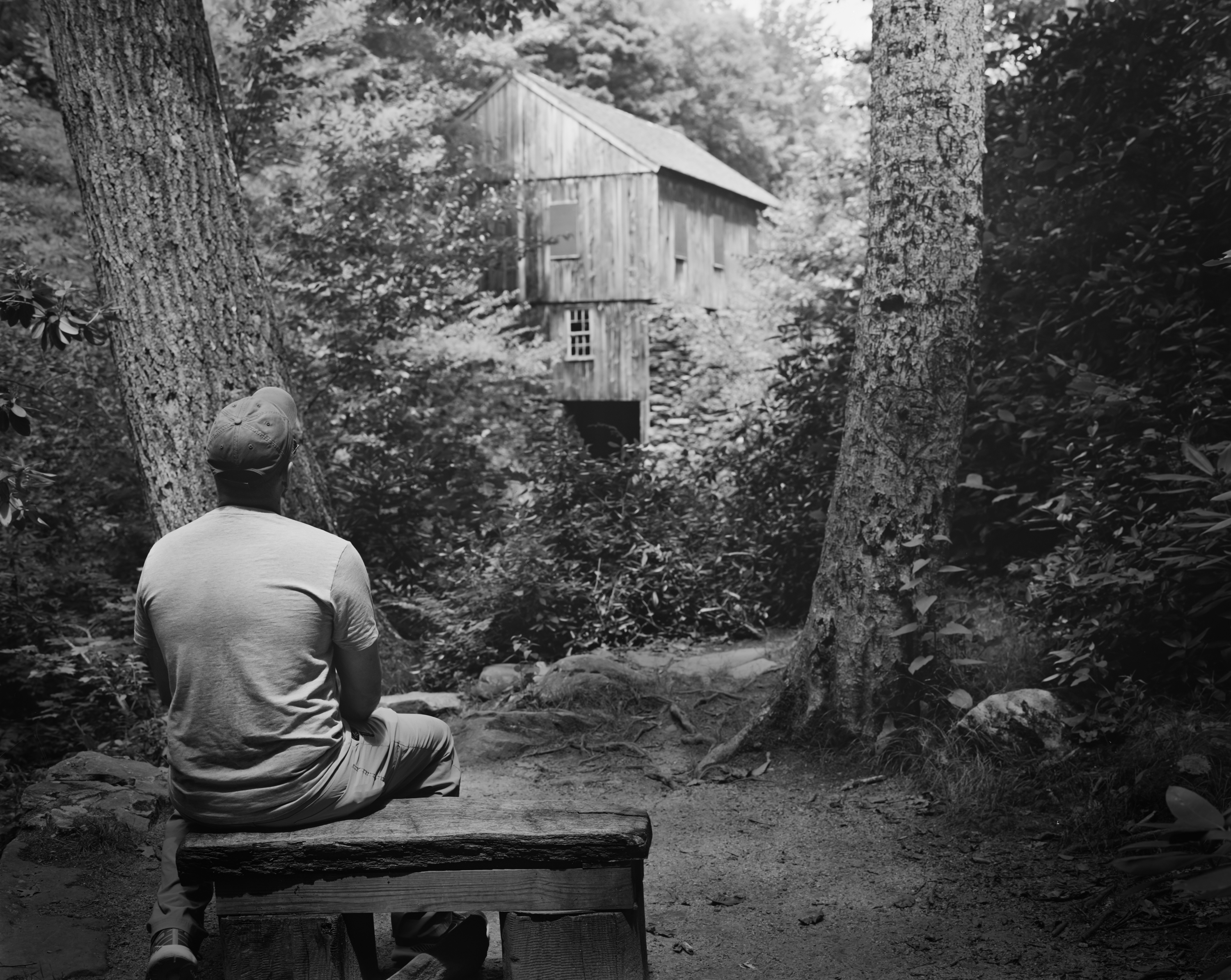 Why I Went Back to Shooting Medium Format Film in the Age of Digital
I’ve been into photography for over thirty years. I’ve owned more cameras than I care to admit — from early Nikons to the latest mirrorless systems, from 35mm to 8×10 large format. I’ve watched this industry evolve through every major shift: autofocus, digital sensors, mirrorless bodies, computational photography. I’ve embraced most of it. I shoot...
 Ilford HP5 Plus — History and Developing Tips
If there’s one black and white film stock that has earned its place in nearly every film photographer’s bag, it’s Ilford HP5 Plus. It’s not the sharpest. It’s not the finest grained. It’s not even the most visually striking at box speed. But HP5 is the film you reach for when you need to get...
 Adapting Pentax 67 Lenses to GFX Cameras
The Best-Kept Secret in Medium Format Photography If you shoot Fuji GFX and you’re not exploring adapted Pentax 67 glass, you’re leaving some of the best optics in medium format history sitting on the shelf. The Pentax 6×7 system produced some of the finest medium format lenses ever made — lenses that were designed to...
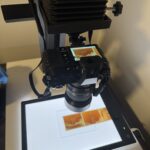 Flatbed Scanner vs. Camera Scanning: Which Is Better for Medium Format Film?
If you shoot medium format film, you’ve probably wrestled with this question: should you scan your negatives with a flatbed scanner or use a digital camera? I’ve been going back and forth on this for a while now, so I decided to put my Epson V850 head-to-head against my Fuji GFX 100s in a real-world...
 Film Developing on a Budget – How to Save Real Money Without Cutting Corners
One of the most common questions I get from people getting into medium format film photography is some version of “how do I keep the costs down?” It’s a fair question. Between the camera, the film, and getting everything developed and scanned, the per-frame cost of shooting 120 film can add up quickly — especially...
 Kodak Ektar Film
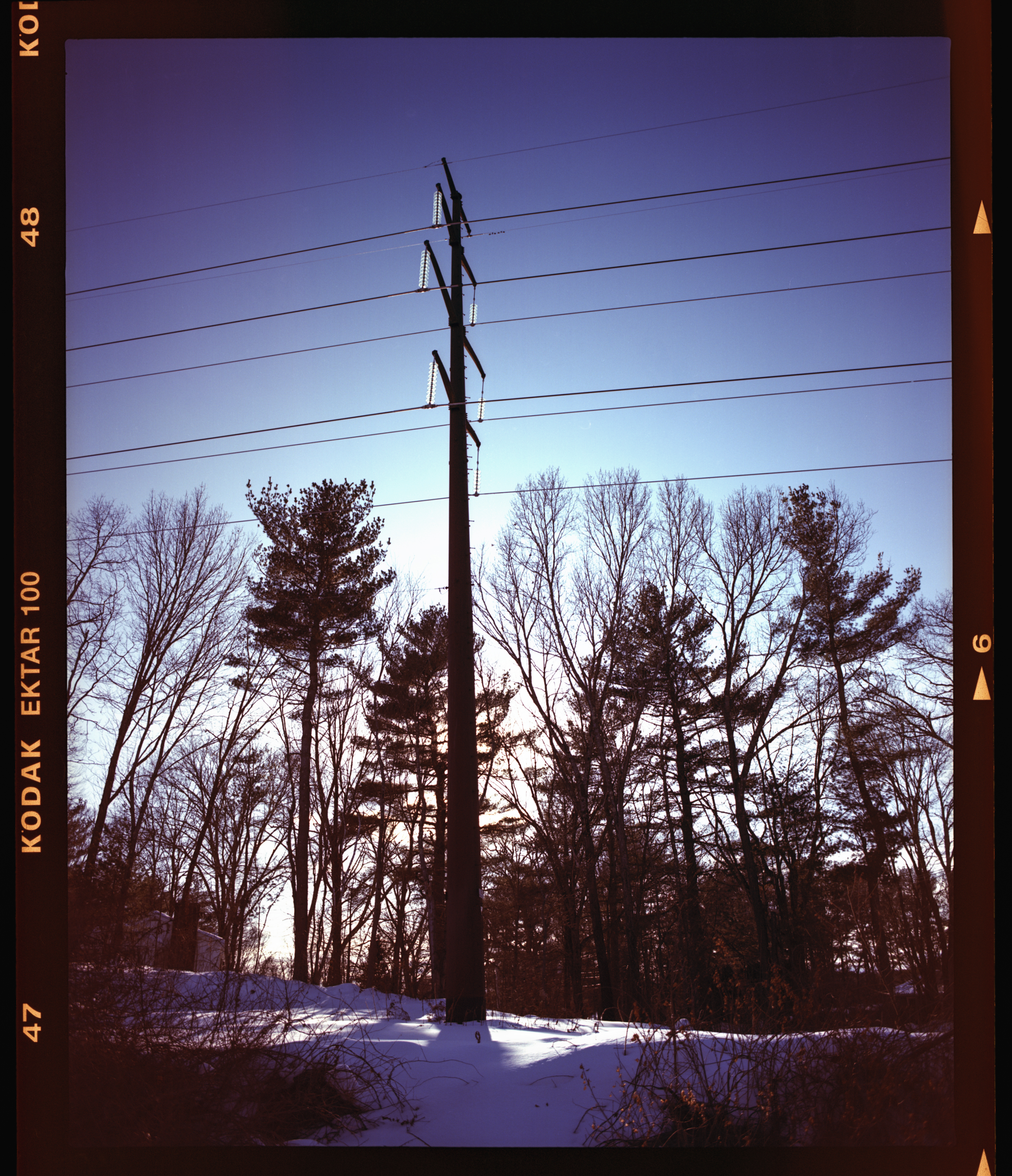
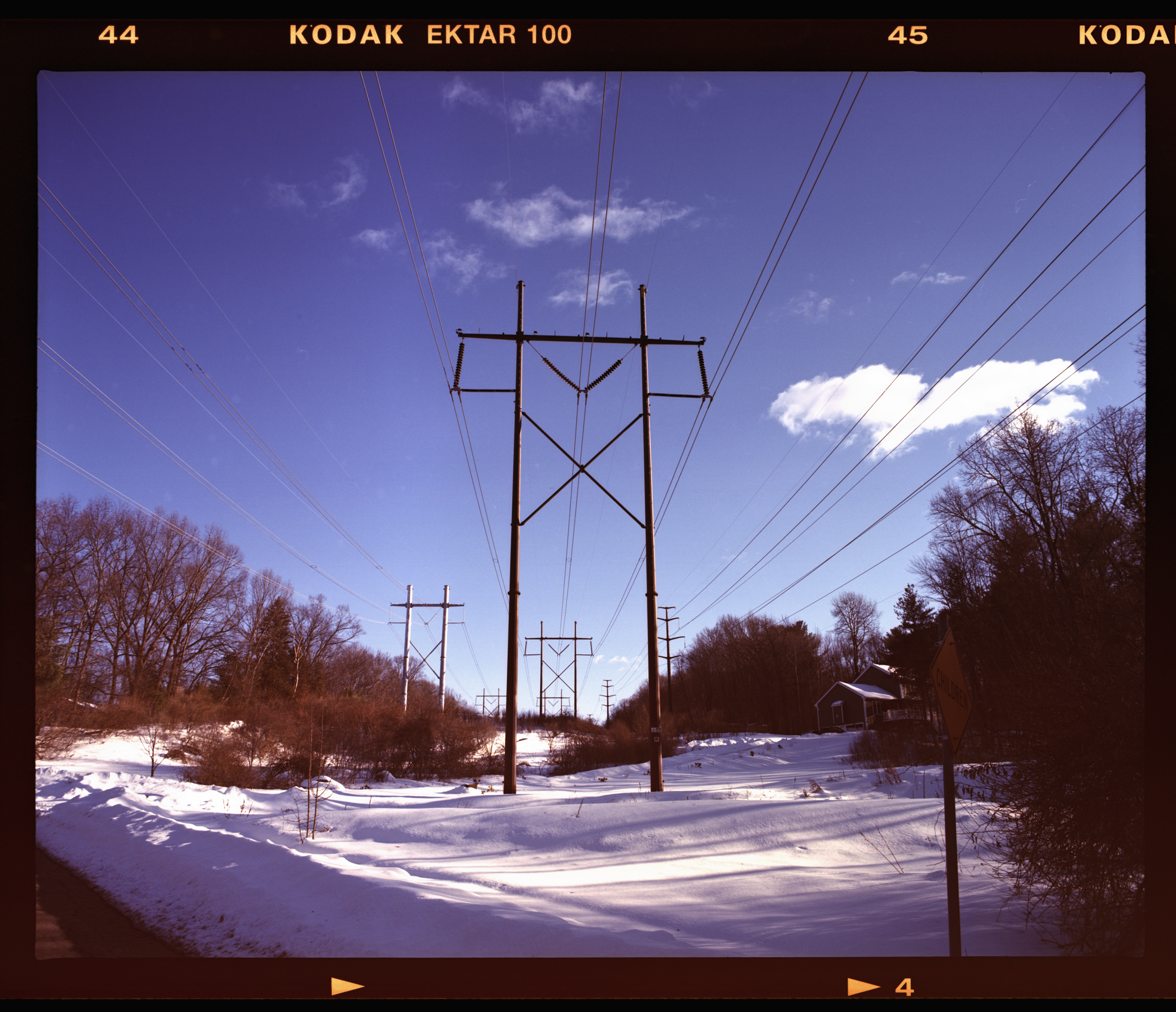
Kodak Ektar 100 holds a unique position in the medium format world. Marketed by Kodak as the finest grain color negative film ever made, it delivers a look that no other C-41 emulsion can quite replicate — hyper-saturated colors, razor-sharp detail, and an almost transparency-like rendering that sets it apart from the Portra family and...
 Developing Color Film at Room Temperature
If you have ever talked yourself out of developing color film at home, the reason was almost certainly temperature. The standard C-41 process calls for developer at 102°F, held within a degree or two for the duration of the development step. That requirement sends people shopping for sous vide machines, foot spas, immersion circulators, and...
 Pentax 105mm Takumar Review
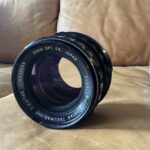
There are lenses that photographers recommend, and then there are lenses that sell entire camera systems. The Pentax 67 105mm f/2.4 belongs firmly in the second category. For decades, this unassuming standard prime has been the single biggest reason photographers buy into the Pentax 67 system — a camera that is itself enormous, heavy, and...
 Hard Water Spots on Film Negatives: Causes, Prevention, and Fixes
Hard Water Spots on Film Negatives: Causes, Prevention, and Fixes Few things are more deflating than pulling a freshly developed roll of 120 film from the drying line and discovering a constellation of white spots and mineral deposits scattered across your negatives. You nailed the exposure. You got the development right. And now there are...
 Dynamic Range Of Film Scanning
Your film is holding more information than you think. If your scanned negatives look flat, lack shadow detail, or feel like they can’t compete with digital captures, the problem almost certainly isn’t the film — it’s the digitization process. A well-exposed color negative on modern film stock can record 12 to 14 stops of scene...
- Fogged Film From Light Leaks
Film Fogging: How to Identify and Prevent Light Leaks in Your Photographs If you’ve ever pulled a roll of freshly developed film from the tank — or received scans back from your lab — only to find mysterious glows, color shifts, or washed-out areas creeping into your frames, you’ve encountered fogging. It’s one of the...
 Film vs. Digital Sensor Size
One of the most significant differences between medium format film and digital is the actual imaging area. Traditional 120 film cameras capture images at various sizes depending on the format: 6×4.5cm (645): Actual frame size approximately 56×41.5mm (2,324 sq mm) 6x6cm: Actual frame size approximately 56x56mm (3,136 sq mm) 6x7cm: Actual frame size approximately 56x70mm...
 The Pentax 67 – Review, Versions, & Sample Images
The Giant SLR That Changed Medium Format The Pentax 67 system needs no introduction to film photographers, but it does deserve a proper deep dive. In this Pentax 67 review, I’ll share everything I’ve learned about the camera since adding one to my kit, combined with the history, quirks, and practical knowledge that every owner...
 Revere Beach, Massachusetts – GFX 50s
I shot this image with the GFX 50s and Fujifilm GF 23mm f4 Below is a crop of the image above. Even the older 50s has an impressive level of resolution. Purchasing gear from the above link helps me keep the site going!
 Moore State Park in Winter
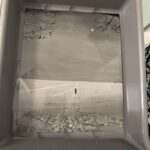
Moore State Park in Winter — Hasselblad 500cm / Ilford HP5 I took this image on Ilford HP5 120 film with the Hasselblad 500cm and the 80mm f/2.8 C lens. The negative was developed in Rodinal, and the enlargement was developed in EcoPro Paper Developer. What drew me to this scene was the scale —...
 Medium Format Camera Types
The Early Era: Box Cameras and Folding Designs (1901-1928) The first decades of medium format photography were dominated by simple, affordable cameras designed for amateur photographers. The Kodak Brownie No. 2 (1901-1935) was produced in several versions, all featuring the characteristic box design with a simple meniscus lens and rotary shutter. These cameras produced 6x9cm...
 The Hasselblad 500cm
I chose the Hasselblad 500cm to begin my medium format film journey for several compelling reasons: Complete modularity. The 500cm separates into distinct components—body, lens, viewfinder, and film back—each of which can be swapped independently. This design allows you to carry multiple loaded backs for fast film changes in the field, switch between waist-level and...
 Inkjet Vs. Darkroom Prints
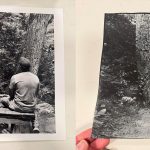
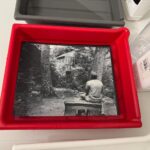
This is question I’ve always pondered. I’ll never stop shooting film, but do I need to enlarge in a darkroom as well? Is scanning and printing a better option? A scanned negative can retain the total gradations and colors I get from film, but also gives me a digital master that can’t be lost, scratched,...
 The Cost of Shooting Medium Format Film
Shooting medium format film is one of the most rewarding experiences in photography. The massive negatives, the shallow depth of field, the tonal richness — there’s nothing quite like it. But let’s not sugarcoat it: medium format film is expensive to shoot, and the costs have only gone up in recent years. Whether you’re considering...
 Large Format Film Site
I’ve started a new website to host my large format journey @ LargeFormatFilm.com The site is brand new, so the content is admittedly thin at the moment — but that’s about to change. My goal is to use both of these websites as a comprehensive home for everything I’ve learned shooting film over the years,...
 Why Does Medium Format Film Look So Much Better Than Digital?
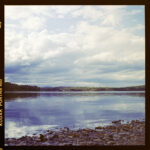
There’s something unmistakable about a well-exposed medium format negative. When you hold a 6×6 or 6×7 transparency up to the light, or pull a contact print from the wash, you’re looking at something digital simply cannot replicate. It’s not nostalgia talking—there are real, measurable reasons why medium format film produces images with a distinct aesthetic...